

Twelve marketing professionals mid-laugh around a heavy wooden table with coffee cups, open laptops, and someone gesturing past the frame in warm golden-hour light
Issue No. 01 · 2026 · Brooklyn, NY

The Room Where
Marketers Stop Performing
And Start Problem-Solving.

A Monthly Table12 SeatsApplication OnlyNew York, NY
Scroll to read
The Origin StoryFebruary 2026

The Panel That
Said Nothing.

It was a Tuesday in March. A 90-minute panel on "the future of performance marketing." Four speakers. A moderator with a laminated card. And not one thing said that you couldn't have read in a LinkedIn post from 2019.


Marcus Webb had been running paid acquisition at a Series B fintech for three years. His team was twelve people. His budget was $8 million a year. He'd spoken at two conferences that year. Won a Shorty Award. And he ate lunch alone most days because nobody in his building could talk about what he was actually dealing with — a deteriorating CAC ratio, a brand team that didn't understand performance, and a CMO who thought Meta was still 2021.

After the panel, he walked to the hotel bar, ordered a drink, and started talking to the woman next to him — Priya Nair, Head of Growth at a DTC wellness brand. Within ten minutes they were drawing on a cocktail napkin. Within twenty, three more people had pulled up chairs. Nobody was performing. Nobody was selling anything. They were just talking about the actual problems.

"By 11pm we'd covered three campaigns, two org chart disasters, and one very specific argument about whether broad match was dead. I drove home thinking — why doesn't this exist as a room?"

Six months later, Marcus sent an email to eleven people he respected. Not friends — peers. People he'd watched handle hard problems well. He asked them to dinner. No agenda. No slides. Just a table, some wine, and the question he'd been sitting with: What are you working on that you can't talk about at work?

That first dinner was awkward for forty minutes. Then someone admitted their Q4 campaign was a disaster and they didn't know why. And the room shifted. By dessert, three people had written down things they were going to do differently the next day.

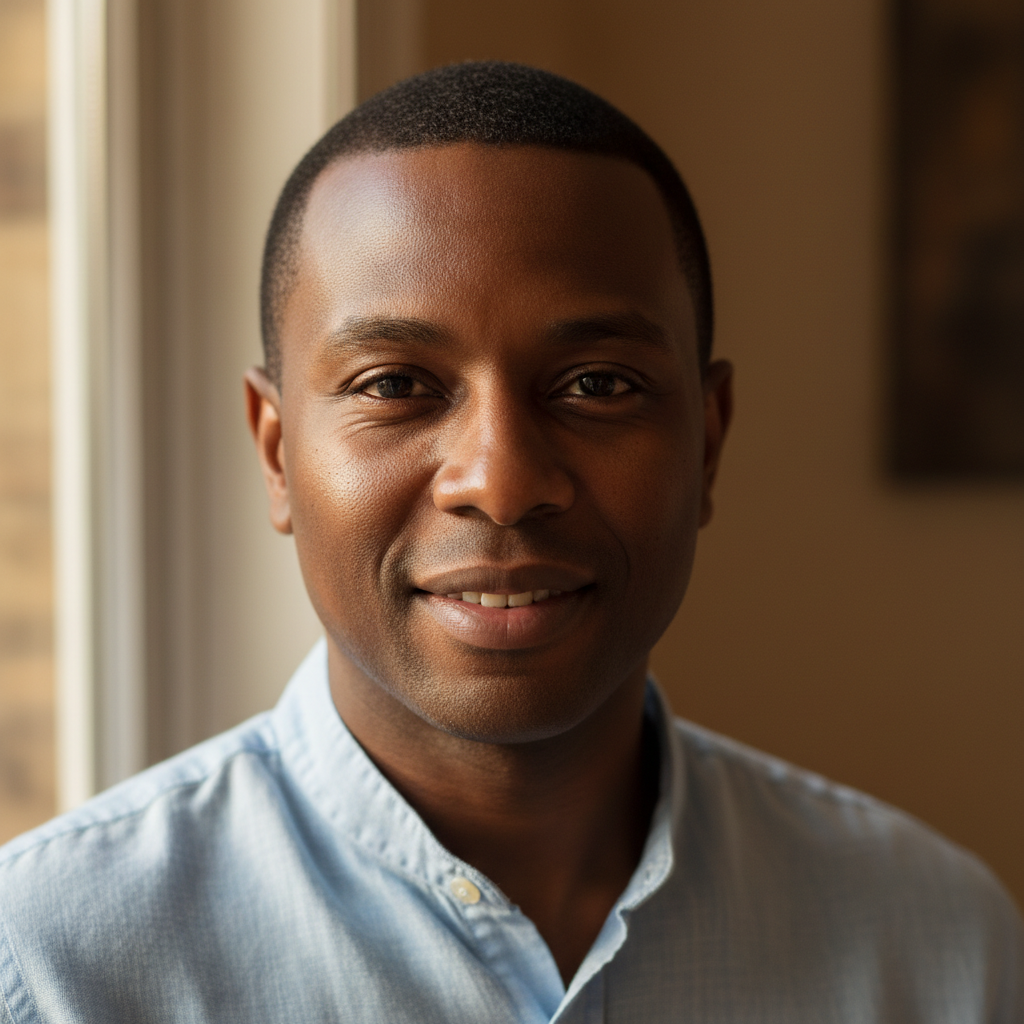
Marcus Webb, founder of Mastermind, a mid-thirties man with warm brown skin and close-cropped hair in a casual work setting

Marcus Webb

Founder · Former Head of Acquisition, Branchly

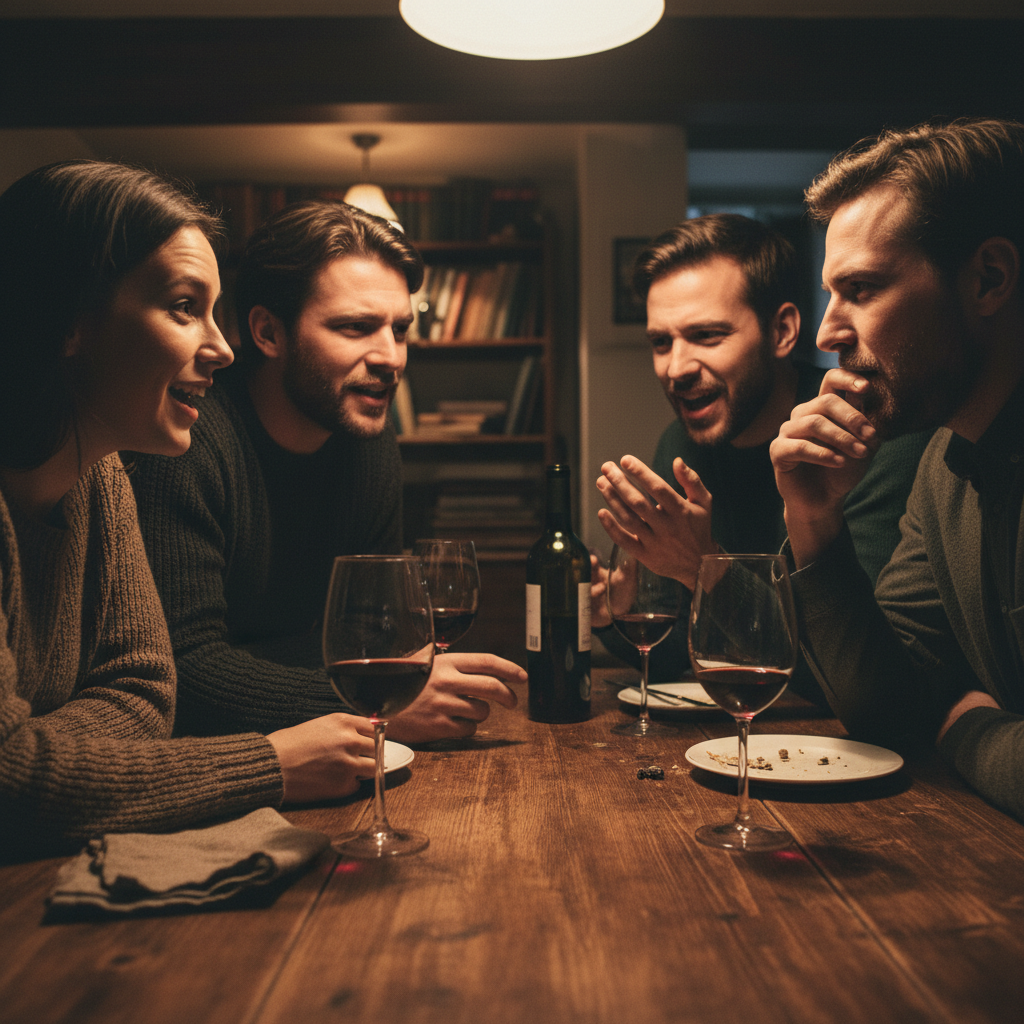
People leaning over a table in deep conversation at a restaurant, wine glasses visible, warm ambient light, candid moment of real discussion
The first dinner, March 2024

6

Strangers at dinner one

None of them knew each other well. All of them left with something to do differently. That was the proof of concept.

24 months

Of monthly tables since

Every seat earned. Every session off the record. Every conversation worth the drive.

Member StoriesThree of Forty-Eight

What Happens
When the Room Is Honest.

These aren't success stories. They're working stories — the kind where the value comes from being in a room where people tell you what they actually see.

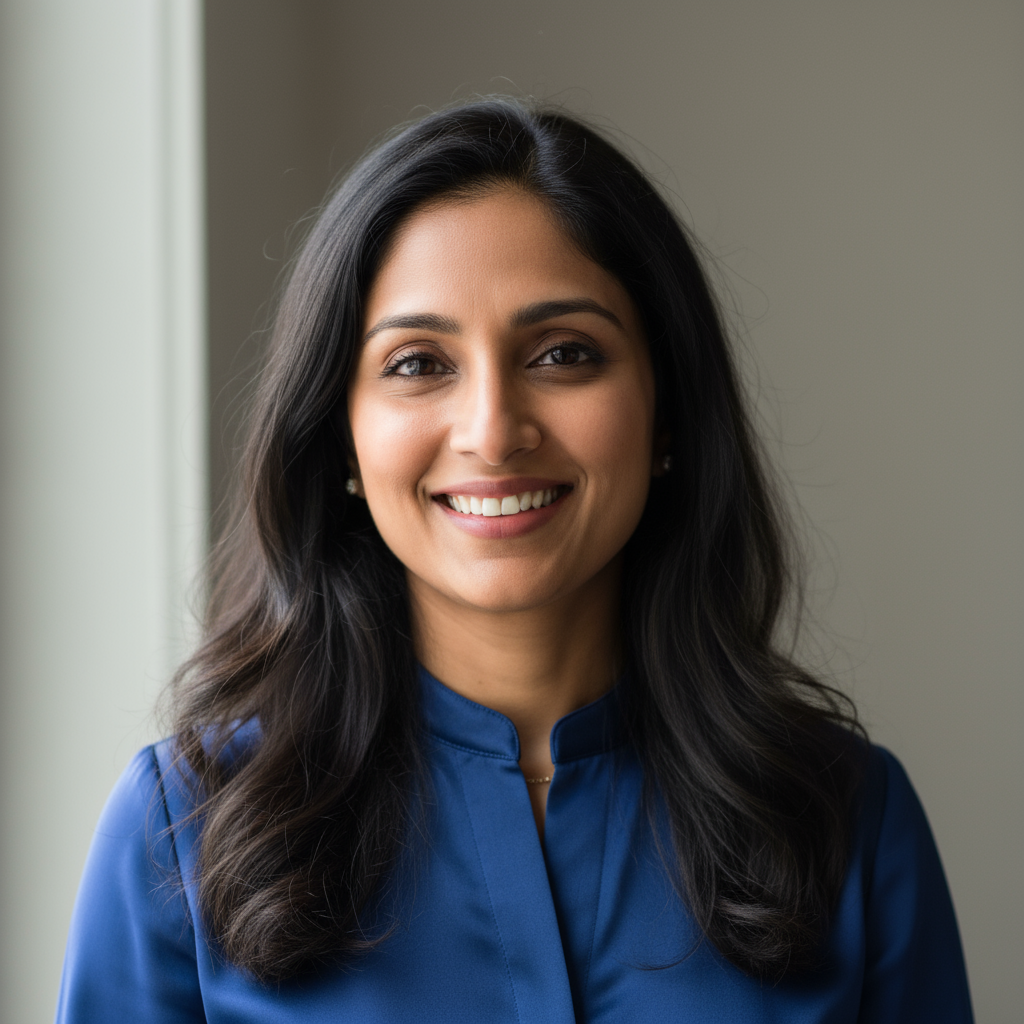
Priya Nair, a South Asian woman in her mid-thirties with dark hair pulled back, looking directly at camera in a professional but relaxed setting

Priya Nair

Head of Growth · Vela Wellness

Brooklyn, NY

Priya had been running the same acquisition funnel for fourteen months. Numbers looked fine on paper — CAC was holding, LTV trending upward, board was happy. But something felt wrong. She couldn't name it.

She brought the funnel to the table not as a problem, but as a question: "Does this look right to you?"

What followed was forty minutes of the most uncomfortable and useful feedback she'd received in three years. The table spotted a cohort anomaly she'd been normalizing. Her attribution model was systematically over-crediting a channel that was actually capturing demand she'd already created elsewhere. She was paying twice for the same customer.

I came in with a funnel problem. I left with the realization that the funnel wasn't the problem — my attribution model was lying to me about where the money was actually going.

What changed

Restructured attribution model. Reallocated $340K in annual spend.

Marketing team around a whiteboard covered in funnel diagrams and sticky notes, someone mid-explanation with a marker in hand
01

Priya Nair

Vela Wellness

Darian Cole, a Black man in his early forties with a neat beard, wearing a dark blazer, candid shot in an office corridor

Darian Cole

Brand Director · Northfield Supply Co.

Chicago, IL

Darian had been sitting on a brand campaign for six weeks. $1.2 million in production. His agency loved it. His CMO had signed off. The internal team was calling it the best work they'd done in years.

He almost didn't bring it to the table. "It felt like bragging," he said. But something made him share the deck.

The room was quiet for a minute after. Then someone said: "Who's this for?"

Not the target audience — they knew the target audience. The question was about positioning. The campaign was speaking to who the brand wanted to be, not to who was actually buying. A subtle but fatal distinction. The table had seen it in thirty seconds.

The agency kept telling me the campaign was great. The table told me in fifteen minutes what my agency had been too polite to say for six weeks.

What changed

Campaign was paused and repositioned. Launched three months later to 2.3x projected performance.

Campaign mood board spread across a large table with print-outs, color swatches, and handwritten notes in a creative studio
02

Darian Cole

Northfield Supply Co.

You've read two stories.
Does either one sound like you?

If yes — there's one more story below. If you're already nodding, the application is twelve questions and takes about fifteen minutes.

See If There's A Seat

No commitment. Application only.

Sasha Okafor, a Black woman in her late thirties with natural hair and warm smile, photographed in a bright open office environment

Sasha Okafor

VP Marketing · Tide & Turn (Series A)

Austin, TX

Sasha's problem wasn't a campaign. It was organizational. She was eighteen months into a VP role at a fast-scaling startup, reporting to a founder who thought marketing was "basically advertising." She had budget, autonomy, and zero peer-level support. She came to the first session planning to listen. By the third session, she'd started bringing her actual work. The table had seen her situation before — not the same company, but the same dynamic. They gave her language for conversations she didn't know how to have. They gave her frameworks for managing up that her exec coach had never surfaced.

"It's not therapy," she said. "It's more like having ten people who've already played the level you're stuck on."

I'd been feeling like the loneliest person in the building for two years. Not because I didn't have a team — but because the conversation I needed didn't exist inside the company.

What changed

Successfully negotiated expanded scope and direct board access within five months.

Laptop open to analytics dashboard on a wooden desk at dusk, coffee cup nearby, city lights visible through window in background
03

Sasha Okafor

Tide & Turn (Series A)

The TableHow It Works

A Dinner Table
With Homework.

There's no curriculum. No keynote. No workbook. Just a room full of people who've seen enough campaigns to know when something isn't working — and why.

When

First Thursday of the month

6:30pm — dinner runs until the conversation stops

Where

A private room in Brooklyn

Location shared with confirmed members only

Who

10 — 12 members per table

Marketing directors, brand leads, growth heads. No consultants, no vendors.

Format

Hot seat + open table

Two members bring live problems. Everyone else brings honesty.


Close-up of hands around a dinner table with notebooks, wine glasses, and someone mid-sentence, warm restaurant lighting, candid and unposed

"It's the only professional thing I do each month where I'm not managing how I come across."

James Osei, a Black man in his late thirties with glasses and a slight smile, candid portrait

James Osei

Director of Brand, Lune Health

The Four Rules

01

What happens at the table stays at the table.

Chatham House rules. No attribution, no screenshots, no LinkedIn posts about "a conversation I had recently."

02

You bring a real problem or you don't come.

This isn't a listening tour. If you're not willing to put something on the table, the seat isn't for you.

03

No pitching. Ever.

Not your agency. Not your tool. Not your consulting practice. Not your conference talk. The room is for solving, not selling.

04

Disagreement is the product.

If everyone nods along, the session failed. The most valuable thing you can hear is something you didn't want to be true.

Membership is $350/month.

That covers your seat at every monthly dinner, access to the member directory, and the Slack channel where the conversation continues between sessions. No annual commitment required for the first three months.

4 of 12

Seats available — Q1 2026

The QuestionBefore You Decide

Are You the Kind of
Marketer Who Belongs Here?

This isn't for everyone. It's not for marketers who are still performing — who need the session to go well, who want to be seen as the person with the answers. The table doesn't work for them. It works for the ones who already have the answers and want to know if they're the right ones.

If you're running a real budget, managing a real team, and carrying a problem you haven't been able to say out loud at work — there might be a seat for you.

The application is twelve questions. It takes about fifteen minutes. There's no pitch deck and no sales call. If your answers suggest the table would work for you, someone will reach out to have a conversation.

"The question isn't whether it's worth $350 a month. The question is whether you're the kind of marketer who shows up."
Marcus Webb, founder of Mastermind, a mid-thirties man with warm brown skin and close-cropped hair

Marcus Webb

Founder, Mastermind

See If There's A Seat

4 seats available · Q1 2026

Application takes ~15 minutes

"I've spent $40,000 on conferences in the last four years. I got more from six dinners here than all of it combined."

Rachel Huang, an East Asian woman in her early forties with shoulder-length black hair, warm expression, professional photo

Rachel Huang

CMO, Fieldstone Brands

"The people here have seen more real campaigns fail and succeed than any agency panel I've ever sat on."

Trevor Adeyemi, a Nigerian-American man in his mid-thirties, close-cropped hair and relaxed smile, candid outdoor portrait

Trevor Adeyemi

VP Growth, Sundial Fintech

"My team thinks I'm more decisive. I'm not. I just have twelve people who tell me the truth before I make the call."

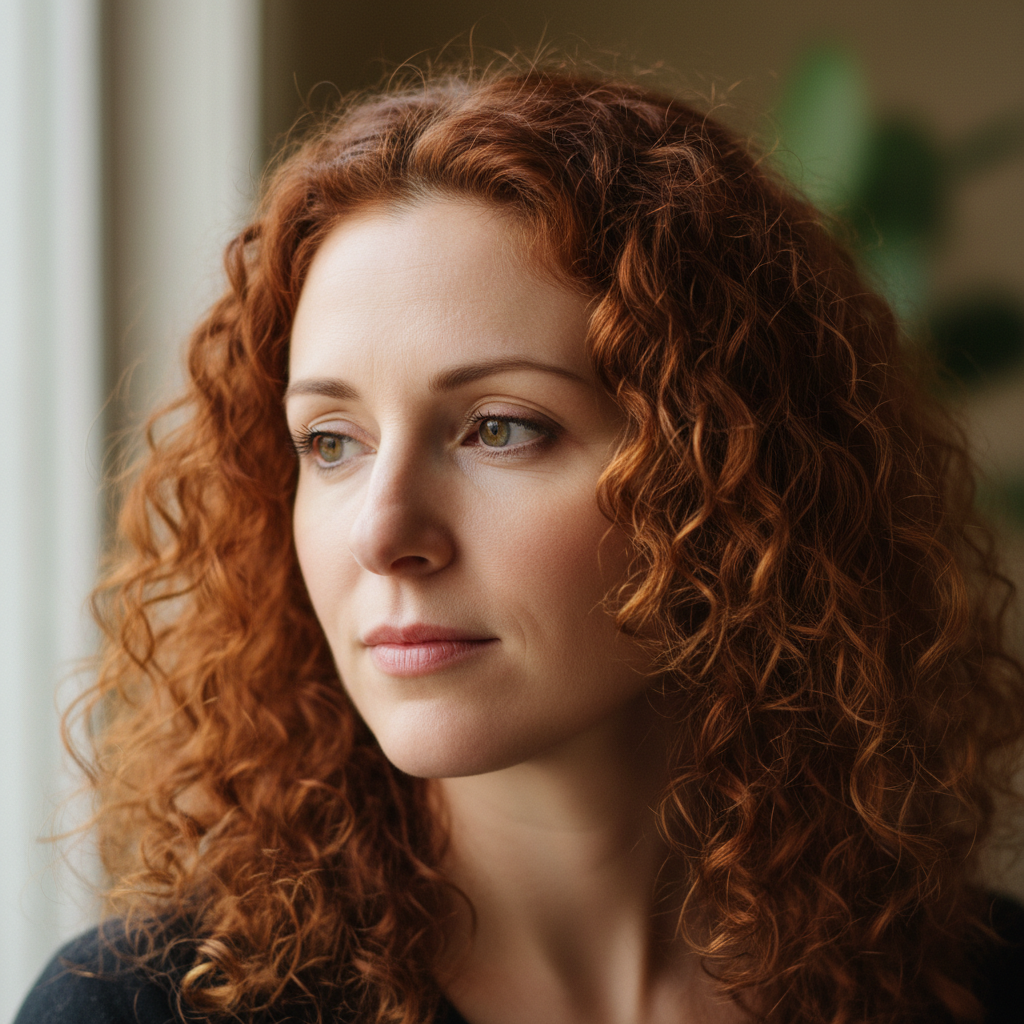
Camille Desjardins, a white woman in her late thirties with curly auburn hair and a thoughtful expression, natural light portrait

Camille Desjardins

Head of Marketing, Arbor Studio

Applications open

Next cohort starts April 3rd, 2026. Decisions sent by March 14th. 4 seats remaining in this intake.

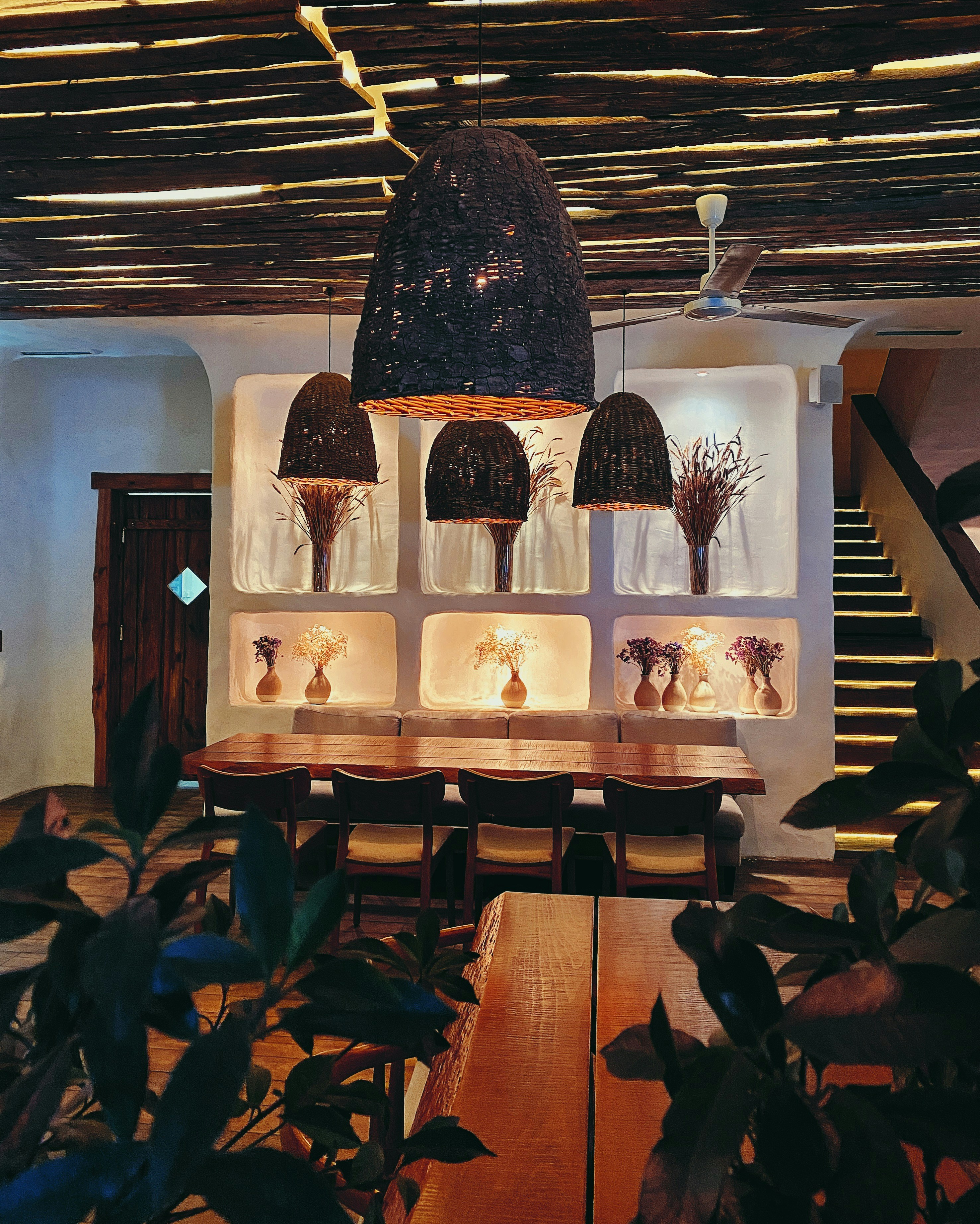
Long dinner table with wine glasses and empty chairs at the end of an evening, warm overhead lighting, wooden table with the warmth of a conversation just finished

The thirteenth chair is empty.